Petersen Aluminum Leadership in Energy and Environmental Design (LEED®) Guidelines

View/Print PDF of this Page

This guideline provides a summary of the USGBC’s new LEED 2009 green building rating program.  It offers an overview of how metal roofing products from Petersen Aluminum Corporation can count toward a LEED certified building project.

A roofing system is only one component of an integrated building design program.  LEED takes into account the building envelope and interior design technologies that affect the energy usage, environmental impact, and social quality of the design, construction and operation of a building.

This guideline describes potential points in the LEED 2009 Green Building Design and Construction credit qualifications for metal roofing products manufactured by Petersen Aluminum Corporation.

What is LEED 2009?
The US Green Building Council established the Leadership in Energy and Environmental Design (LEED) green building rating program in 1998.  It uses a consensus-based process to create standards for transforming the building environment and emphasizing sustainable building design.  LEED 2009 is the newest version of the USGBC green building certification program used by many architects and most Federal agencies, states and local governments.

LEED 2009 promotes an integrated “whole building” design approach to sustainability and recognizes seven key areas:

  • Sustainable Sites
  • Water Efficiency
  • Energy and Atmosphere
  • Materials and Resources
  • Indoor Environmental Quality
  • Regional Priority
  • Innovation  in Design

LEED 2009 now contains rating programs for Green Building Design and Construction, Green Interior Design and Construction, and Green Building Operations and Maintenance.
This guideline is based on the LEED 2009 Green Building Design and Construction Version .

To earn LEED  certification, a building must meet certain requirements and benchmarks related to the building’s performance.  Points are awarded for credits in each of the seven key areas listed above.

Note: LEED® is a registered trademark of the U.S. Green Building Council

The point structure of each category for New Construction is as follows:

  • Sustainable Sites (SS) – max  26 points
  • Water Efficiency (WE) – max  10 points
  • Energy and Atmosphere (EA) – max  35 points
  • Materials and Resources (MR) – max  14 points
  • Indoor Environmental Quality (IEQ) – max 15 points
  • Regional Priority (RP) – max 4 points
  • Innovation in  Design  (ID) – max  6 points

Building projects are awarded LEED 2009 certification at four distinct levels:

  • Certified ( 40-49 points)
  • Silver  ( 50-59 points)
  • Gold    ( 60-79points)
  • Platinum (  80+points)

How do Cool Metal Roofing products from Petersen Aluminum Corporation contribute to a LEED 2009 certified new building project?

Sustainable Sites
A Petersen Aluminum Corporation cool metal roof has solar reflectance and thermal emittance values that can meet the Solar Reflectance Index criteria for this credit.

Credit 7.2: Heat Island Effect – Roof (1 pt)
“Use roofing materials having a Solar Reflectance Index (SRI) equal to or greater than the values listed below for a minimum of 75% of the roof surface.”

Low-Sloped Roof –   ≤2:12 pitch   SRI 78
Steep-Sloped Roof – >2:12 pitch   SRI 29

The Solar Reflectance Index (SRI) is an alternative method for measuring the radiative properties of roofing materials. SRI is defined by ASTM Standard E1980-01 and is a calculation that uses the solar reflectance (ASTM E903 or C1549) and thermal emittance (ASTM C1371) properties of a surface.  EPA summarizes SRI as “the relative steady-state surface temperature with respect to the standard white (SRI=100) and standard black (SRI=0) under the standard solar and ambient conditions.”  SRI is often used as an alternative measurement for roof products that have a low thermal emittance but a very high solar reflectance (ex. unpainted or natural metal roofing). In theory, the higher solar reflectance will outweigh the impact of low thermal emittance.

Refer to table 1A below for a listing of Petersen Aluminum Corporation metal roofing products and their SRI as determined by the Cool Roof Rating Council’s directory information.

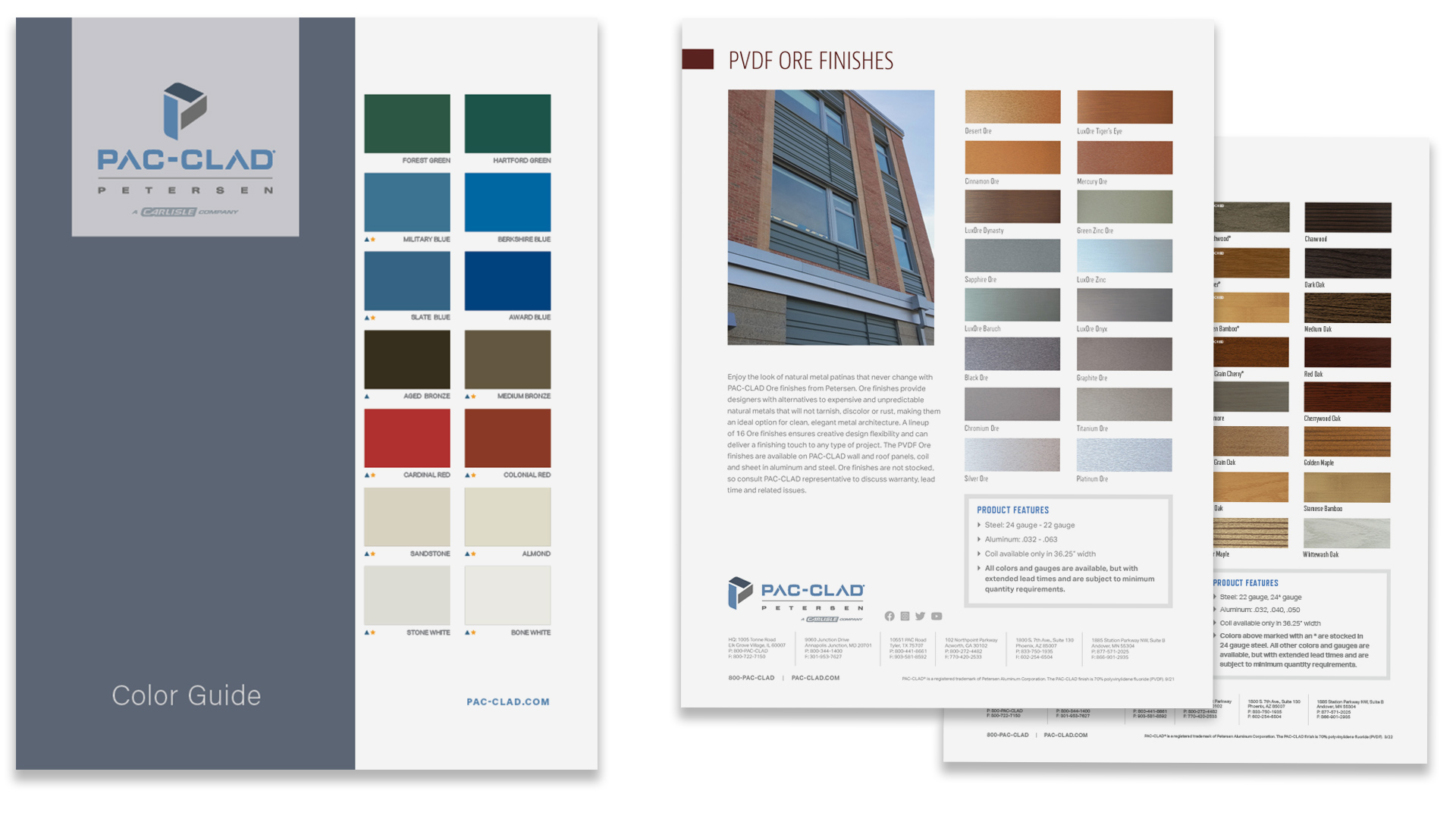
TABLE 1A – Cool Roof Ratings Council Values for Min. 75% Roof Coverage, Min. SRI of 29 required, for Steep Slope Roofs

PAC-CLAD Finish Solar Reflectance Thermal Emittance Solar Reflectance Index
Almond 0.56 0.83 64
Arcadia Green 0.33 0.84 33
Bone White 0.71 0.85 86
Cardinal Red 0.42 0.84 45
Cityscape 0.37 0.85 39
Colonial Red 0.34 0.85 35
Granite 0.36 0.84 37
Hemlock 0.30 0.85 30
Medium Bronze 0.30 0.85 30
Musket Gray 0.32 0.84 32
Patina Green 0.34 0.85 35
Sandstone 0.51 0.83 57
Sierra Tan 0.38 0.85 40
Slate Gray 0.38 0.84 40
Stone White 0.61 0.86 72
Terra Cotta 0.37 0.84 39
Champagne Metallic 0.45 0.78 57
Copper Penny Metallic 0.45 0.82 49
Silver Metallic 0.53 0.80 59
Zinc Metallic 0.30 0.85 30
Galvalume Plus(Non Kynar Finish) 0.68 0.14 57

Above chart represents PAC finishes/products that meet LEED requirements when roof panels cover a minimum of 75% of the roof surface. For projects in which 100% of the roof surface will be covered by metal roofing panels, the criteria for achieving 1 LEED point is SRI of 21.75 on steep slope roofs. The following table 1B displays additional PAC finishes which meet this criteria:

TABLE 1B – Cool Roof Ratings Council Values for 100% Roof Coverage, Min SRI of 21.75 required, for Steep Slope Roofs

PAC-CLAD Finish Solar Reflectance Thermal Emittance Solar Reflective Index
Charcoal 0.28 0.84 27
Dark Bronze 0.27 0.85 26
Evergreen 0.27 0.85 26
Hunter Green 0.26 0.84 26
Mansard Brown 0.26 0.84 24
Military Blue 0.29 0.84 28
Slate Blue 0.25 0.84 23
Teal 0.26 0.85 24
Aged Copper Metallic 0.27 0.83 25


Materials & Resources

Petersen Aluminum Corporation’s metal roofing products have a high recycled content, are 100% recyclable at the end of their useful life, and are very durable materials.  The roof can be reused for the building envelope of a new project. These properties and characteristics allow for metal roofing to contribute to the following points in the Materials & Resources category of LEED 2009.

Credit 1.1:  Building Reuse: Maintain 55%, 75% or 95% of Existing Walls, Floors and Roof (1-3pts)

“Maintain at least 55% (based on surface area) of existing building structure (including structural floor and roof decking) and envelope (exterior skin and framing, excluding window assemblies and non-structural roofing material). Hazardous materials that are remediated as a part of the project scope shall be excluded from the calculation of the percentage maintained. If the project includes an addition to an existing building, this credit is not applicable if the square footage of the addition is more than 2 times the square footage of the existing building.”

Credit 2: Construction Waste Management (1 -2 pts)
“Recycle and/or salvage [at least 50% or 75% of] non-hazardous construction and demolition debris. Develop and implement a construction waste management plan that, at a minimum, identifies the materials to be diverted from disposal and whether the materials will be sorted on-site or comingled. Excavated soil and land-clearing debris do not contribute to this credit. Calculations can be done by weight or volume, but must be consistent throughout.”

Credit 3: Materials Reuse : 5% or 10% (1 or 2 pts)
“Use salvaged, refurbished or reused materials such that the sum of which constitutes at least 5% or 10%, based on cost,, of the total value of materials on the project.  Mechanical, electrical and plumbing components and specialty items such as elevators and equipment shall not be included in this calculation. Include only materials permanently installed in the project. Furniture may be included, providing it is included consistently in MR Credit 3: Materials Reuse through MR Credit 7: Certified Wood.”

Credit 4:  Recycled Content: 10% and 20%    (1 – 2 pts)

“Use materials with recycled content such that the sum of post-consumer recycled content plus one-half of the pre-consumer content constitutes at least 10% or 20%, based on cost, of the total value of the materials in the project.

The recycled content value of a material assembly shall be determined by weight. The recycled fraction of the assembly is then multiplied by the cost of assembly to determine the recycled content value….  Recycled content shall be defined in accordance with the International Organization for Standardization document, ISO 14021 – Environmental labels and declarations – Self declared environmental claims (type II environmental labeling)…”

PAC Recycled Content:
PAC-CLAD Aluminum – 85%

  • Post Consumer – ~60%; Pre-Consumer – ~25%

PAC CLAD Steel – 28 – 35%

  • Post Consumer – 25%; Pre-Consumer – 7.3%

Note:  Recycled content percentages are provided as averages by the Steel Recycling Institute and the Aluminum Association.

Energy and Atmosphere
Petersen Aluminum Corporation’s cool metal roof products have excellent thermal performance and can contribute toward improving the energy efficiency of a building’s design. In order to receive points in this credit category the building must demonstrate a percentage increase in energy savings in accordance with ASHRAE standards.

PREREQUISITE 2. Minimum Energy Performance (Required)
“The project must establish an energy performance rating goal for the facility design using EPA’s Target Finder rating tool. Demonstrate a 10% improvement in the proposed building performance rating compared with the baseline building performance rating. The baseline rating is calculated according to Appendix G of ANSI/ASHRAE/IESNA Standard 90.1-2007 (with errata but without addenda).”

Credit 1: Optimize Energy Performance  (1-19 pts)
“OPTION 1: Whole Building Energy Simulation:  Demonstrate a percentage improvement in the proposed building performance rating compared to the baseline building performance rating. Calculate the baseline building performance according to Appendix G of ANSI/ ASHRAE/IESNA Standard 90.1-2007 (with errata but without addenda) using a computer simulation model for the whole building project.  The minimum energy cost savings percentage for each point threshold is as follows:

New Buildings Existing Building Renovations Points
12%                                          8%                                          1
14%                                        10%                                          2
16%                                        12%                                          3
18%                                        14%                                          4
20%                                        16%                                          5
22%                                        18%                                          6
24%                                        20%                                          7
26%                                        22%                                          8
28%                                        24%                                          9
30%                                        26%                                        10
32%                                        28%                                        11
34%                                        30%                                        12
36%                                        32%                                        13
38%                                        34%                                        14
40%                                        36%                                        15
42%                                        38%                                        16
44%                                        40%                                        17
46%                                        42%                                        18
48%                                        44%                                        19


Water Efficiency
Petersen Aluminum Corporation’s cool metal roofing products can provide an excellent surface for rainwater harvesting. Integrating a rainwater collection system with the cool metal roof can contribute to the following points in this credit category:

Credit 1: Water Efficient Landscaping  (2-4 pts)
“Reduce potable water consumption for irrigation by 50% from a calculated mid-summer baseline case.  Reductions shall be attributed to any combination of the following items:

  • Plant species, density and microclimate  factor
  • Irrigation efficiency
  • Use of captured rainwater
  • Use of recycled wastewater
  • Use of water treated and conveyed by a public agency specifically for non-potable uses

OR use captured rainwater instead of potable water for all irrigation.


Credit 2: Innovative Wastewater Technologies  (2 pts)
Reduce potable water use for building sewage conveyance by 50% through the use of water-conserving fixtures (e.g. water closets, urinals) or non-potable water (e.g. captured rainwater, recycled graywater, on-site municipally treated wastewater)
OR
Treat 50% of wastewater on-site to tertiary standards. Treated water must be infiltrated or used on-site.”


Credit 3: Water Use Reduction  (2-4 pts)
“Employ strategies that in aggregate use 30% or 40% less water than the water use baseline calculated for the building (not including irrigation). Calculate the baseline according to the commercial and/or residential baselines outlined in the Energy Policy Act of 1992.. Calculations are based on estimated occupant usage and shall include only the following fixtures (as applicable to the building): water closets, urinals, lavatory faucets, showers, kitchen sink faucets and pre-rinse spray valves.”


Innovation in Design
Credit 1  Innovation in Design (1-5 pts)
In certain areas of a building design, Petersen Aluminum Corporation’s metal roofing products may contribute toward points in this category if they are shown to contribute toward substantially exceeding a LEED performance credit.  Points can also be achieved for innovative performance in areas that are not specifically addressed or defined by LEED.

Conclusion
Even though the roof can be directly eligible for one point in the Sustainable Sites Category for its radiative properties, metal roofing can also help count toward many other points in a LEED certified building.  The design team made up of architects, facility managers, construction managers, designers and owners need to integrate all products and processes in a whole building approach in their efforts to create a sustainable building. The LEED program is a tool to achieve this. Petersen Aluminum Corporation’s metal roofing products can play a role in any building project achieving LEED certification.